
Can a Healthy Lifestyle Prevent IBD?

Can a Healthy Lifestyle Prevent IBD?

Adopting and maintaining a healthy lifestyle may prevent inflammatory bowel disease (IBD), according to findings from an analysis of three prospective U.S. cohort studies, which were validated in three external European cohorts.

In the primary analysis, maintaining low modifiable risk scores — based on risk factors including body mass index, smoking status, use of non-steroidal anti-inflammatory drugs, physical activity, and daily consumption of fruit, vegetables, fiber, polyunsaturated fatty acids, and red meat — could have prevented 42.9% of Crohn’s disease cases and 44.4% of ulcerative colitis cases, reported Hamed Khalili, MD, MPH, of Massachusetts General Hospital in Boston, and colleagues.

Moreover, adherence to a healthy lifestyle could have prevented 61.1% of Crohn’s disease cases and 42.2% of ulcerative colitis cases, they noted in Gut.

“We were surprised by the proportion of cases that could have been prevented through lifestyle modifications,” Khalili told MedPage Today. “One reason for this finding may be that our population was older and therefore most of our cases of IBD happened in older adults.”

“We know that lifestyle and environmental factors play a bigger role in the development of IBD in this population as compared to those who are diagnosed with disease earlier in life,” he added.

These findings from the Nurses’ Health Study (NHS), the NHS II, and the Health Professionals Follow-Up Study (HPFS) were largely validated in three external European cohorts — the Swedish Mammography Cohort, Cohort of Swedish Men, and the European Prospective Investigation into Cancer and Nutrition.

Looking at cases of Crohn’s disease among the European validation cohorts, adhering to low-risk factors could have prevented 44% to 51% of cases, while adhering to a healthy lifestyle could have prevented 49% to 60% cases. For ulcerative colitis, adherence to low-risk factors could have prevented 21% to 28% of cases, while healthy lifestyle adherence could have prevented 47% to 56% of cases.

For every 1-point increase in modifiable risk score, a higher risk of Crohn’s disease (P for trend<0.0001) and ulcerative colitis (P for trend=0.008) was observed, and was similar for men and women.

IBD affects about 3.1 million people in the U.S. and 1.3 million in Europe, with incidence rising globally, especially among newly industrialized countries, Khalili’s group said. IBD is associated with an annual healthcare cost of $23,000 per patient in the U.S., and there are no current strategies to prevent the development of IBD. While one approach

Read More

Homeless health care crisis: Will street teams remedy?

Homeless health care crisis: Will street teams remedy?

In summary

Homeless people often have sporadic or no access to health care, resulting in costly, chronic conditions. A new statewide effort encourages Medi-Cal insurers to partner with street teams to improve care.

Lea este artículo en español.

Living on the streets of California is a deadly affair. The life expectancy of an unsheltered person is 50, according to national estimates, nearly 30 years less than that of the average Californian. As homelessness spirals out of control throughout the state, so too do deaths on the street, but it’s those whose lives are the most fragile who are least likely to get medical care.

Now, the state Medi-Cal agency is endeavoring to improve health care access for people experiencing homelessness. Through a series of incentives and regulatory changes, the Health Care Services Department is encouraging Medi-Cal insurers to fund and partner with organizations that bring primary care into encampments.

They’re known as street medicine teams. There are at least 25 in California.

“Oh crap. This is where she was, and they just swept that,” said Brett Feldman on a Friday morning in November, looking at a green tent, crumpled and abandoned on Skid Row in Los Angeles. Feldman, a physician assistant, is searching for a female patient in her 40s with severe and unmanaged asthma. She cycles predictably in and out of the hospital, and Feldman knows she’s due for another hospitalization soon.

Physician’s assistant Brett Feldman asks a man in his encampment if he has seen a patient along Skid Row on Nov. 18, 2022. The patient was likely pushed out of the area as the Los Angeles sanitation department cleared the unhoused to clean the street near Skid Row. Photo by Larry Valenzuela for CalMatters

The road is streaked with water from a cleaning truck, and sanitation workers in fluorescent vests sweep up debris. Parking enforcement and police cruisers line the section of road where a homeless encampment once stood. Nearly 5,000 people live in the half-mile block infamous for the hypervisibility it affords the state’s unrelenting homeless crisis.

Burdened by disproportionate rates of addiction, mental health disorders and chronic disease, people experiencing homelessness are some of the state’s neediest patients, but few receive anything more than emergency services. Barriers like lack of transportation and cumbersome insurance rules keep most from getting regular health care. Instead, they drift through the emergency room during a crisis,

Read More

Health-Focused Box Subscriptions and Apps for the Fitness Lover in Your Life

Health-Focused Box Subscriptions and Apps for the Fitness Lover in Your Life

Christmas is right around the corner, and if you’re running short on gifts (and time), don’t fret.  Nowadays, apps and subscription boxes are the thing. However, they’re more than just trending.

Apps provide personalized, convenient support while helping people reach their goals, while subscription boxes on the other hand, gives people something to look forward to every month!

Give the fitness lover in your life a gift that will better their everyday lives with these creative apps and subscription boxes.


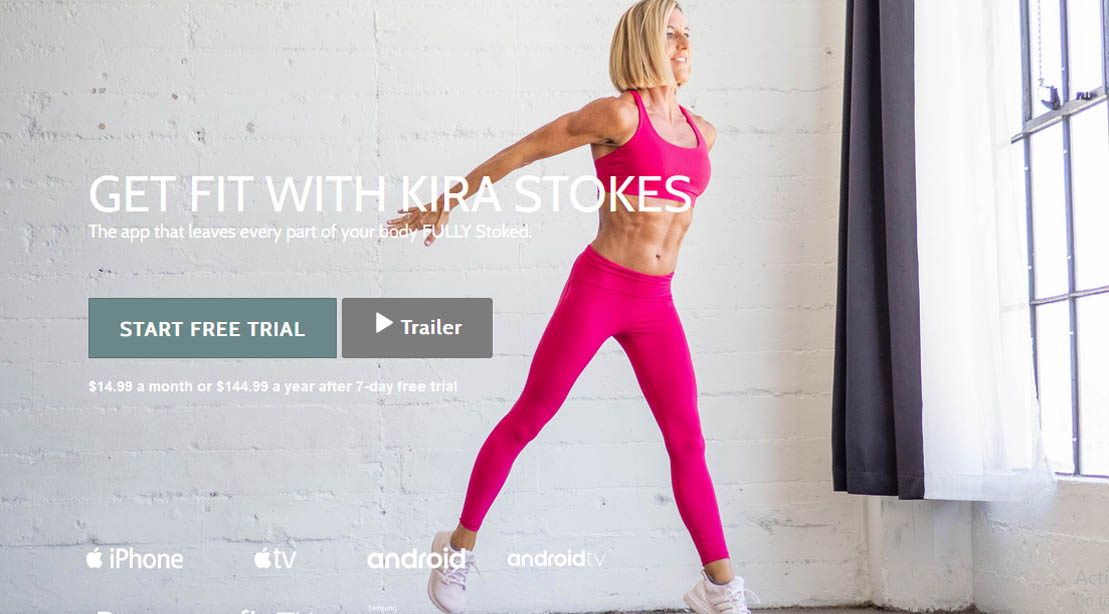
Kira Stokes Fit App

Kira Stokes Fit App
app.kirastokes.com

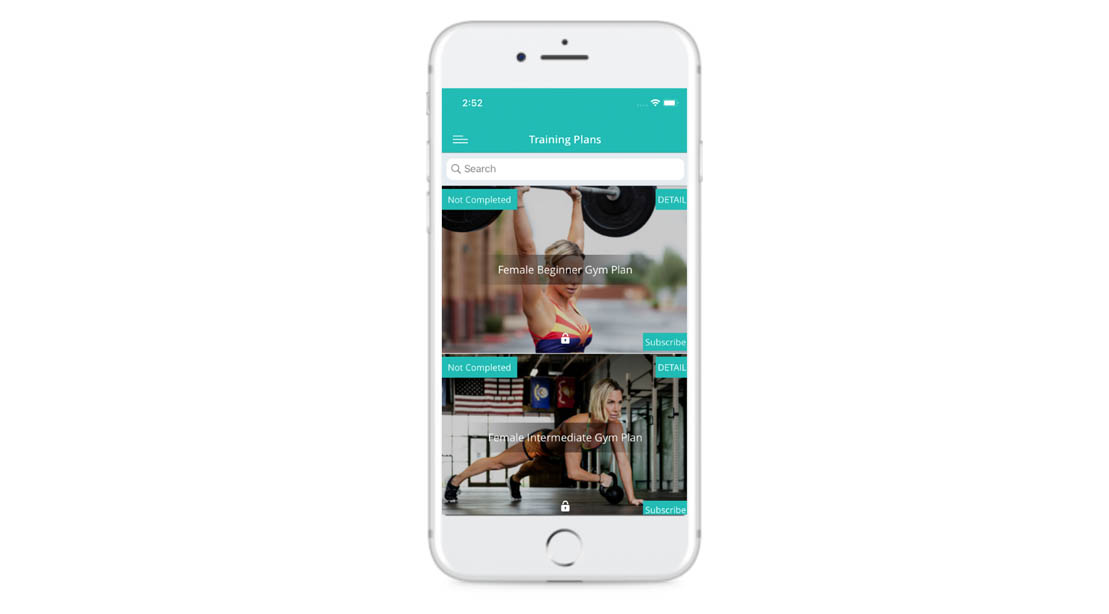
Get ready to transform your body from head to toe in the comfort of your own home. With countless workouts designed to boost your overall fitness level, the Kira Stokes Fit App has unlimited streaming, a seven-day free trial, and a cancel-anytime guarantee.

Buy It: $14.99 per month or $149.99 per year after a 7-day free trial, at app.kirastokes.com


Fit Snacks Subscription Box

Fit Snack Sub App
fitsnack.com

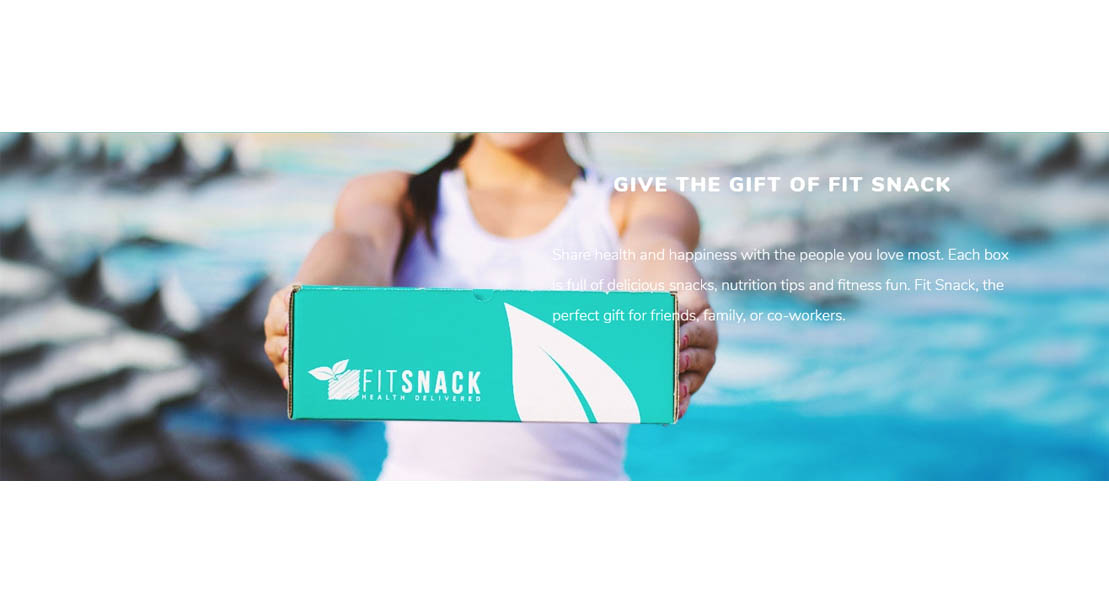
Give the gift of clean and delicious snacks to the fit foodie in your life. Curated by an in-house nutritionist, you’ll never run short on variety and flavor.

Buy It: 29.90 monthly, at fitsnack.com


CrateJoy Fitness

cratejoy
cratejoy.com

Everything a fitness lover or outdoor enthusiast could want is right here. From workout gear to hiking and camping essentials, choose a box filled that supports your loved one’s hobbies.

Buy It: $18 and up, at cratejoy.com


CrateJoy Wellness

Cratejoy Wellness Box
cratejoy.com

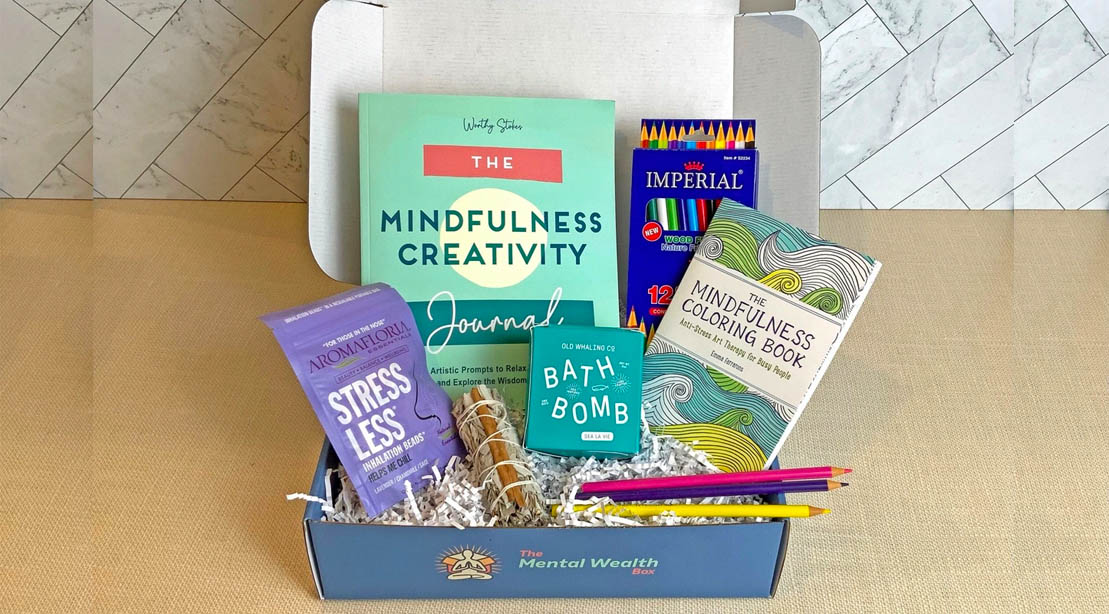
Relaxation, mental health wellness, and even support for your dog’s health comes with these unique subscription boxes designed with people’s health and wellness in mind.

Buy It: $9.88 and up, at cratejoy.com


TLG Fitness App

TLG Fit App
heartoyourinfluence.com

Workouts, meal planning, and grocery lists are at your fingertips with the TLG Fitness App. Perfect for those looking to level up their fitness, take control of their nutrition and achieve solid results- All in the conform of your home.

Buy It: $9.99 or $79.99 yearly, at heartoyourinfluence.com


CALM

Calm App
calm.com

Find your calm by improving sleep, reducing stress, and focusing on self-improvement. A perfect app for a busy holiday season.

Buy It: $15, at calm.com


InsideTracker

Inside Tracker
insidetracker.com

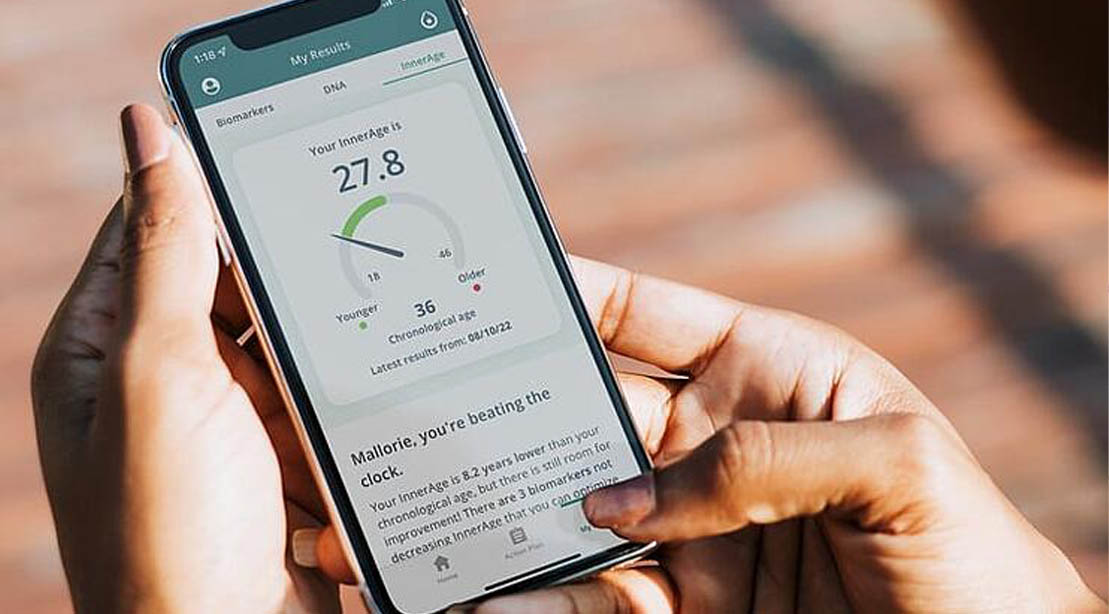
This isn’t just another wellness tracker. Created by experts in the fields of aging, genetics, and biometric data, InsideTracker reveals your personalized path to improving your health and longevity from the inside out. Integrated within an intuitive mobile app, InsideTracker provides a personal health analysis and data-driven wellness guide, designed to increase health span—aka, help you and your loved ones live

Read More

Hailey Bieber Shared Her Experience With a Common Women’s Health Condition

Hailey Bieber Shared Her Experience With a Common Women’s Health Condition

Model and actress Hailey Bieber recently shared her experience with a common women’s health condition – ovarian cysts.

“I have a cyst on my ovary the size of an apple. I don’t have endometriosis or PCOS (polycystic ovary syndrome), but I have gotten ovarian cysts a few times and it’s never fun,” said Bieber on her Instagram story, along with a photo of her stomach with a small bulge.

She’s not alone – as much as 10 percent of women will have an ovarian cyst during their life. Janice Hartnett, MD, director of women’s ambulatory health services at Hartford HealthCare Medical Group, explains what ovarian cysts are and what to watch out for.

> Connect with a women’s health specialist

Ovarian cysts…what are they?

Ovarian cysts are fluid-filled sacs forming in or on an ovary. These sacs, which typically form during ovulation and disappear after the egg releases, are common and often harmless.

“These are functional cysts,” Dr. Hartnett says. “They typically resolve and the process begins again until the next ovulation. This is normal physiology.”

But when cysts twist or rupture, they can become dangerous – and extremely painful. Ovarian cysts range from less than two centimeters to well over 20 centimeters in diameter. As cysts increase in size, their chance of rupturing grows as well. A large enough cyst can even cause ovarian torsion, or twisting of the ovary.

Different types of cysts come with unique characteristics that dictate their behavior, Dr. Hartnett notes. These include:

  • Hemorrhagic cysts. These occur when the cyst bleeds. If it breaks, it can release blood and fluid into the lower abdomen and pelvis, causing pain and bloating.
  • Endometrioma. Endometriosis is a condition causing tissue similar to the uterine lining to grow outside of the uterus. Endometrioma occurs when this tissue attaches to the ovary and forms a cyst.

> Want more health news? Text MoreLife to 31996 to sign up for text alerts

Who is at risk?

Ovarian cysts typically affect pre-menopausal women. Pregnant women or those who suffer from endometriosis or polycystic ovary syndrome (PCOS) are more likely to suffer from cysts. Anyone who has had one ovarian cyst is likely to suffer from more in the future.

Signs and symptoms

Common symptoms that warrant a doctor’s visit include:

  • Abdominal pain and bloating
  • Stomach cramping
  • Onset nausea and vomiting
  • Changes in bowel and bladder movements
  • Weight loss or gain

Evaluation

Read More

Healthy Men: Why men are the way they are | Lifestyle

Healthy Men: Why men are the way they are | Lifestyle

Dear Heathy Men: You’ve mentioned several times in this column that men don’t go to the doctor as often as women and that they live shorter, sicker lives than women. I’m sure that’s true. But what I really want to know is why. Why don’t men take better care of themselves?

A: A number of factors keep men (and boys) from being as actively engaged in their own health care as they need to be. Here are some of the biggest ones:

— Socialization. When we’re little, boys are bombarded with the idea that “big boys don’t cry.” When we’re in high school, we’re told we need to “take one for the team.” And when we hit adulthood, it’s “man up.” Overall, the message is clear: Asking for and/or accepting help is a sign of weakness. Not surprisingly, men and boys ignore their symptoms and stay as far away from medical providers as they can.

— Media messages. In a comprehensive study of print advertising for health products and healthy lifestyles, Dr. Salvatore J. Giorgianni, Jr. found that ads were half as likely to be directed at men than at women. “This sends a clear message to boys and young men that (a) only women and girls have health-related needs, and (b) taking care of one’s physical or mental health is women’s responsibility,” says Giorgianni, co-founder and vice president of Healthy Men, Inc. (healthymen.org).

— The health care system is unwelcoming. A 2019 Cleveland Clinic survey found that going to the doctor is “so unappealing” that 7 in 10 men would rather do household chores, like cleaning the bathroom or mowing the lawn, than go to the doctor, and 77% would rather go shopping with their wife or significant other than to the doctor. As a result, about two-thirds of men prefer to self-diagnose and the same percentage will wait as long as possible before finally agreeing to see a provider. By then, it’s often too late.

Some of the blame for men’s experience of being unwelcome and uncomfortable in health care settings rests with providers. A majority of men in the 2019 survey said they would be more likely to have regular checkups if medical offices had more flexible hours. But even when they do make an office visit, according to researcher Will Courtenay’s “Dying to Be Men: Psychosocial, Environmental, and Biobehavioral Decisions in Promoting the Health of Men

Read More

A virtual health service for common conditions

A virtual health service for common conditions

At Amazon, we want to make it dramatically easier for people to get and stay healthy. We’ve begun that journey with Amazon Pharmacy—where customers can get their medication delivered to their door conveniently—in just two days for Prime Members. We’ve also entered into an agreement to acquire One Medical, a human-centered and technology-powered provider of primary care. One Medical members benefit from a dedicated relationship with their provider, a friendly and convenient in-office experience, and ongoing engagement via a dedicated app.

Amazon Pharmacy and One Medical (once the deal closes) are two key ways we’re working to make care more convenient and accessible. But we also know that sometimes you just need a quick interaction with a clinician for a common health concern that can be easily addressed virtually. We’ve thought hard about how to improve this part of the experience as well. That’s why today we’re also introducing Amazon Clinic, a message-based virtual care service that connects customers with affordable virtual care options when and how they need it—at home, after dinner, at the grocery store, or on the go—for more than 20 common health conditions, such as allergies, acne, and hair loss.

We believe that improving both the occasional and ongoing engagement experience is necessary to making care dramatically better. We also believe that customers should have the agency to choose what works best for them. Amazon Clinic is just one of the ways we’re working to empower people to take control of their health by providing access to convenient, affordable care in partnership with trusted providers. Our new health care store lets customers choose from a network of leading telehealth providers based on their preferences. Every telehealth provider on Amazon Clinic has gone through rigorous clinical quality and customer experience evaluations by Amazon’s clinical leadership team.

Amazon Clinic is simple and easy to use. To get started, customers select their condition, then choose their preferred provider from a list of licensed and qualified telehealth providers. Next, they complete a short intake questionnaire. Customers and clinicians then directly connect through a secure message-based portal, giving customers the flexibility to message their clinician when it’s most convenient for them—anytime, anywhere. After the message-based consultation, the clinician will send a personalized treatment plan via the portal, including any necessary prescriptions to the customer’s preferred pharmacy.

Virtual care isn’t right for every problem—and if we think that may be the case,

Read More