More than 10,000 patients caught Covid-19 in a hospital, analysis shows. They never made it out

More than 10,000 patients caught Covid-19 in a hospital, analysis shows. They never made it out

They left with covid-19 — if they left at all.

More than 10,000 patients were diagnosed with covid in a U.S. hospital last year after they were admitted for something else, according to federal and state records analyzed exclusively for KHN. The number is certainly an undercount, since it includes mostly patients 65 and older, plus California and Florida patients of all ages.

Yet in the scheme of things that can go wrong in a hospital, it is catastrophic: About 21% of the patients who contracted covid in the hospital from April to September last year died, the data shows. In contrast, nearly 8% of other Medicare patients died in the hospital at the time.

Steven Johnson, 66, was expecting to get an infection cut out of his hip flesh and bone at Blake Medical Center in Bradenton, Florida, last November. The retired pharmacist had survived colon cancer and was meticulous to avoid contracting covid. He could not have known that, from April through September, 8% of that hospital’s Medicare covid patients were diagnosed with the virus after they were admitted for another concern.

Johnson had tested negative for covid two days before he was admitted. After 13 days in the hospital, he tested positive, said his wife, Cindy Johnson, also a retired pharmacist.

Soon he was struggling to clear a glue-like phlegm from his lungs. A medical team could hardly control his pain. They prompted Cindy to share his final wishes. She asked: “Honey, do you want to be intubated?” He responded with an emphatic “no.” He died three days later.

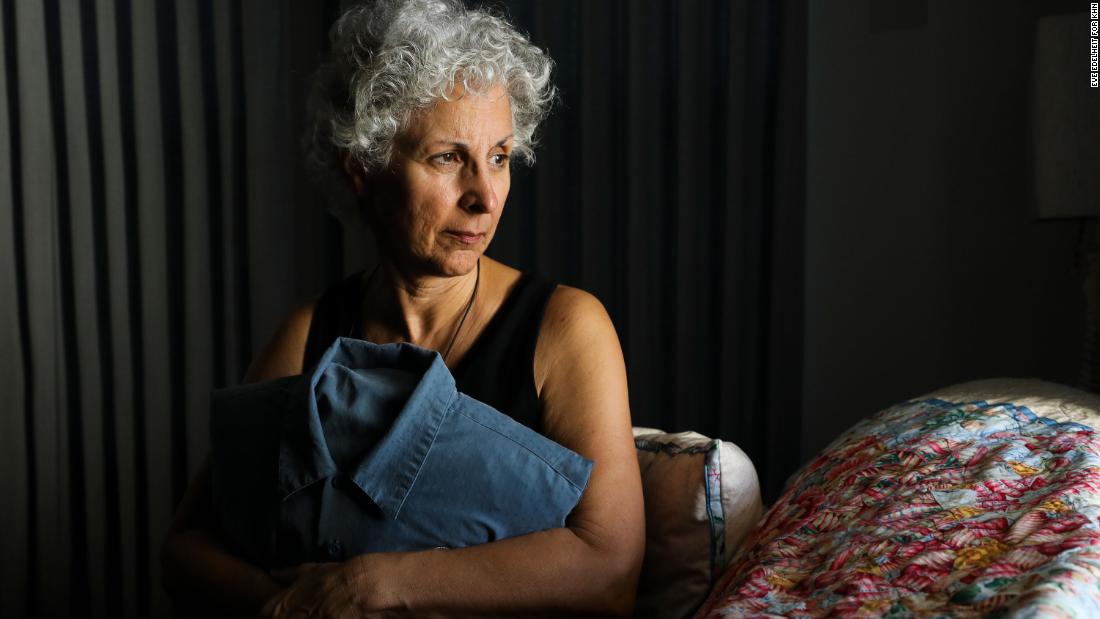
After her husband tested positive, Cindy Johnson, trained in contact tracing, quickly got a covid test. She tested negative. Then she thought about the large number of hospital staffers flowing into and out of his room — where he was often unmasked — and suspected a staff member had infected him. That the hospital, part of the HCA Healthcare chain, still has not mandated staff vaccinations is “appalling,” she said.

“I’m furious,” she said.

“How can they say on their website,” she asked, “that the safety precautions ‘we’ve put into place make our facilities among the safest possible places to receive healthcare at this time’?”

Blake Medical Center spokesperson Lisa Kirkland said the hospital is “strongly encouraging vaccination” and noted that it follows Centers for Disease Control and Prevention and federal and state guidelines to protect patients. President
Read More

Is moderate drinking really linked to a longer life?

Is moderate drinking really linked to a longer life?
Glass of red wine recolored to look purpleShare on Pinterest
Does moderate alcohol use reduce mortality risk? Rafa Elias/Getty Images
  • A new study contradicts previous findings that link moderate alcohol consumption to health benefits and a longer life.
  • The researchers found that those who abstain from alcohol may have a higher mortality rate because of risky behaviors in which they engaged earlier in life.
  • The study also shows that people who abstain from alcohol and who have no other risk factors, such as smoking or poor self-reported health, are not statistically more likely to die at an early age than those with low to moderate alcohol intake.

Some recent studies have linked moderate alcohol consumption to health benefits, such as lower risk of cardiovascular disease. Other studies tout potential health benefits of drinking wine and tequila.

However, results of a new study from the University of Greifswald in Germany contradict the idea of drinking alcohol to protect health.

Earlier studies have shown an increased mortality risk in people who abstain from alcohol, compared with individuals who consume low to moderate alcohol amounts. However, the authors of the recent study chalk this up to risky behaviors that people abstaining from alcohol engaged in earlier in their lives.

The study appears in the journal PLOS Medicine.

According to the National Institute on Alcohol Abuse and Alcoholism (NIAAA), in 2019, 85.6% of individuals in the United States aged 18 years or older reported that they had consumed an alcoholic beverage at one time in their life.

The NIAAA also reports that 14.5 million people in the U.S. aged 12 years or older are living with alcohol use disorder (AUD). According to the NIAAA, AUD is “characterized by an impaired ability to stop or control alcohol use despite adverse social, occupational, or health consequences.”

The NIAAA also notes that about 95,000 people in the U.S. die each year from alcohol-related causes. This makes alcohol the third largest preventable cause of death in the country.

Previous research suggests that people drinking alcohol in moderation live longer than those who do not consume it. Another, older study concludes that men who drink moderate amounts of alcohol have a higher life expectancy than individuals who drink alcohol occasionally or heavily.

Prof. Dr. Ulrich John and his team believe their research shows that the lower life expectancy for those who do not drink alcohol compared with those who do can be due

Read More

DEA cracks down on pharmacies prescribing Suboxone and Subutex : Shots

DEA cracks down on pharmacies prescribing Suboxone and Subutex : Shots

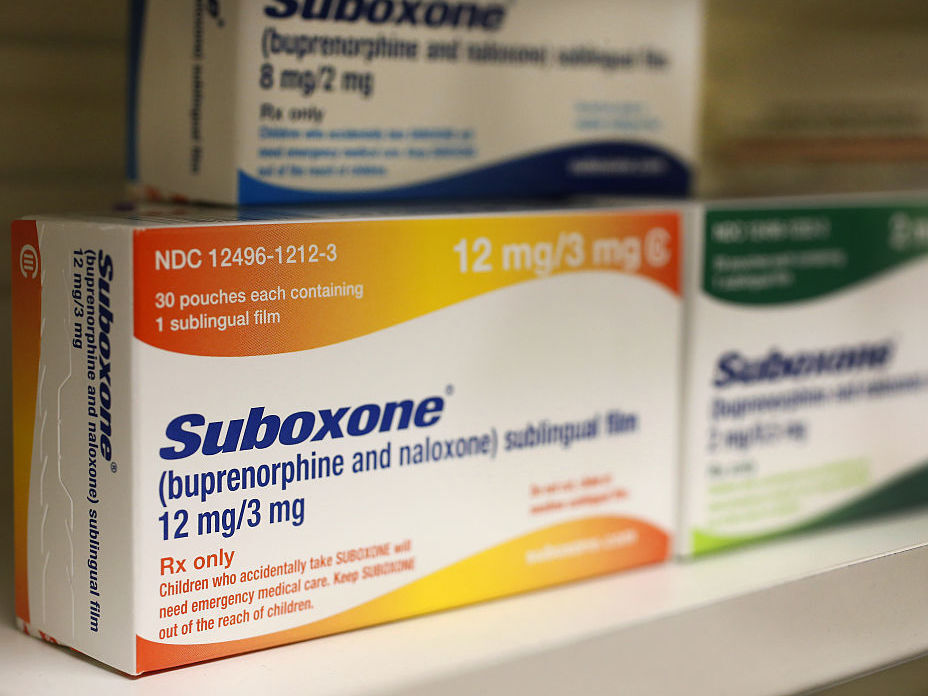
Suboxone and a similar medicine, Subutex, are both proven to help people with opioid addiction stay in recovery. Yet the Drug Enforcement Administration often makes it hard for pharmacies to dispense it.

George Frey/Bloomberg via Getty Images


hide caption

toggle caption

George Frey/Bloomberg via Getty Images


Suboxone and a similar medicine, Subutex, are both proven to help people with opioid addiction stay in recovery. Yet the Drug Enforcement Administration often makes it hard for pharmacies to dispense it.

George Frey/Bloomberg via Getty Images

When Martin Njoku saw opioid addiction devastate his West Virginia community, he felt compelled to help. This was the place he’d called home for three decades, where he’d raised his two girls and turned his dream of owning a pharmacy into reality.

In 2016, after flooding displaced people in nearby counties, Njoku began dispensing buprenorphine to them and to local customers at his Oak Hill Hometown Pharmacy in Fayette County.

Buprenorphine, a controlled substance sold under the brand names Subutex and Suboxone, is a medication to treat opioid use disorder. Research shows it halves the risk of overdose and doubles people’s chances of entering long-term recovery.

“I thought I was doing what was righteous for people who have illness,” Njoku said.

But a few years later, the Drug Enforcement Administration raided Njoku’s pharmacy and accused the facility of contributing to the opioid epidemic rather than curbing it. The agency revoked the pharmacy’s registration to dispense controlled substances, claiming it posed an “imminent danger to public health and safety.”

Although two judges separately ruled in Njoku’s favor, the DEA’s actions effectively shuttered his business.

“I lost everything that I worked for,” Njoku said.

Lawyers, pharmacists, harm-reduction advocates and a former DEA employee say Njoku’s case is emblematic of the DEA’s aggressive stance on buprenorphine. An opioid itself, the medication can be misused, so the DEA works to limit its diversion to the streets. But many say the agency’s policies are exacerbating the opioid epidemic by scaring pharmacies away from dispensing this medication when it’s desperately needed.

Drug overdose deaths hit record highs last year, and despite medical experts considering medications like buprenorphine the gold standard, less than 20% of people with opioid use disorder typically receive them. The federal government has taken steps to increase the number of clinicians who prescribe buprenorphine, but many patients struggle to get those prescriptions filled. A recent study found that 1

Read More

Type of fat, not how much, linked to stroke risk, study finds

Type of fat, not how much, linked to stroke risk, study finds

Unwanted fat in the diet regime has long been connected to stroke chance, but new investigate introduced Monday implies that it’s the sort of excess fat, not the total, that might be the a lot more important element. 

The research identified that feeding on far more animal fat was joined to a higher risk of stroke, though acquiring far more extra fat from vegetable sources was joined to a decreased hazard. 

Stroke is the fifth-leading induce of death in the U.S., and nutritionists have very long worked to fully grasp how diet regime plays a function.

“If all people could make little modifications, this sort of as lowering purple and processed meat intake, the implication for community wellness will be large,” stated the analyze leader, Fenglei Wang, a postdoctoral study fellow at the Harvard T.H. Chan Faculty of Public Health and fitness. Wang’s results, which ended up presented Monday at the American Heart Association Scientific Periods 2021, have not however been printed in a peer-reviewed journal.

The results come from 27 a long time of information from more than 117,000 health treatment specialists. The information were being pulled from two of the greatest and longest-jogging nutritional research in the U.S. — the Nurses’ Wellbeing Study and the Wellbeing Pros Stick to-Up Review. In those people scientific tests, participants consistently accomplished questionnaires about their meal plans and furnished scientists with health-related documents. (1 of the restrictions of the new study is that the individuals in the two prolonged-managing experiments are predominantly white well being professionals.) 

Stroke happens when blood movement is lower off to a component of the mind. It can be brought on by a blood clot, called an ischemic stroke, or the rupturing of a blood vessel, called a hemorrhagic stroke. Ischemic strokes account for virtually 90 per cent of strokes every yr, although hemorrhagic strokes account for 10 percent. 

The study identified that a increased ingestion of vegetable fats was joined to a reduce possibility of ischemic stroke, with individuals who ate the most vegetable and polyunsaturated fat (these as olive oil) 12 % considerably less likely to have ischemic strokes in contrast to all those who ate the least. Consuming significantly less animal fat also appeared to have a positive affect on the risk for forms of stroke. Contributors who ate the most animal body fat — which included body fat from red and processed meat but

Read More

Nursing Home Residents Overlooked in Scramble for Covid Antibody Treatments

Nursing Home Residents Overlooked in Scramble for Covid Antibody Treatments

Of the dozens of clients Dr. Jim Yates has treated for covid-19 at his long-phrase care center in rural Alabama, this a single made him especially nervous.

The 60-12 months-previous male, who experienced been absolutely vaccinated, was diagnosed with a breakthrough an infection in late September. Nearly straight away, he essential supplemental oxygen, and lung exams confirmed ominous indicators of worsening disease. Yates, who is clinical director of Jacksonville Wellness and Rehabilitation, a competent nursing facility 75 miles northeast of Birmingham, realized his affected individual wanted extra powerful interventions — and quickly.

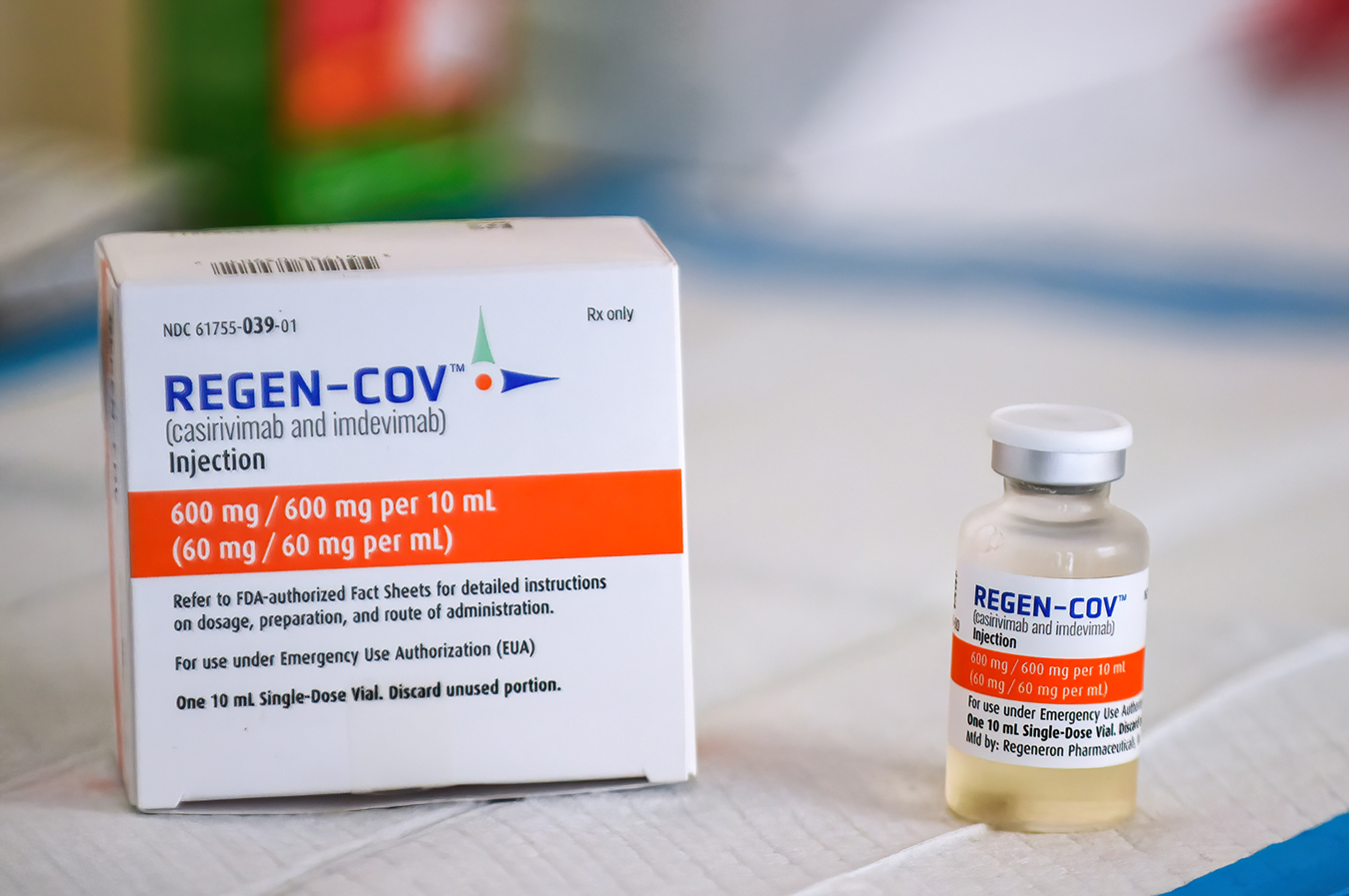
At the 1st signal of the man’s indications, Yates had placed an order with the Alabama Department of General public Well being for monoclonal antibodies, the lab-made proteins that mimic the body’s skill to combat the virus. But six days handed just before the vials arrived, almost missing the window in which the remedy performs best to avert hospitalization and demise.

“We’ve been pushing the limitations because of the time frame you have to go by,” Yates reported. “Fortunately, after we received it, he responded.”

Across the state, clinical administrators of skilled nursing and long-phrase treatment web pages say they’ve been scrambling to acquire doses of the potent antibody therapies pursuing a transform in federal policy that critics say limits materials for the vulnerable inhabitants of frail and elder people who stay at best danger of covid an infection even just after vaccination.

“There are men and women dying in nursing properties suitable now, and we never know irrespective of whether or not they could have been saved, but they did not have entry to the product,” said Chad Worz, CEO of the American Society of Guide Pharmacists, which signifies 1,500 pharmacies that serve extended-phrase care web-sites.

Just before mid-September, doctors and other vendors could get the antibody therapies straight by way of drug wholesaler AmerisourceBergen and acquire the doses inside 24 to 48 hrs. Even though early variations of the licensed treatments expected hourlong infusions administered at specialty centers or by properly trained team customers, a much more latest solution permits doses to be administered by way of injections, which have been fast adopted by push-thru clinics and nursing homes.

Prompt entry to the antibody therapies is critical because they perform by quickly cutting down the total of the virus in a person’s process, decreasing the likelihood of critical sickness. The therapies

Read More

NY health care workers will no longer have religious exemptions to vaccine mandate, court rules

NY health care workers will no longer have religious exemptions to vaccine mandate, court rules

New York State health care workers will no longer have a religious exemption to the state’s COVID-19 vaccine mandate after a federal appeals court vacated a temporary injunction Friday.

The three-judge panel in the US Court of Appeals for the Second Circuit also sent the two court cases back to the lower courts to continue.

The ongoing court cases stem from former Gov. Andrew Cuomo’s order that all hospital and long-term care facility workers were required to get at least one dose of the vaccine by September 27.

CNN has reached out to the New York State Department of Health for comment, and details of how many exemptions the state has already provided.

An attorney for plaintiffs in one of the cases vowed to take the case to the US Supreme Court Friday.

“New York’s mandate forces an abominable choice on New York healthcare workers: abandon their faith or lose their careers,” said attorney Cameron Atkinson, who represents three nurses. “They have committed their futures to God’s hands, and we remain optimistic that the United States Supreme Court will strike down New York’s discriminatory mandate as violating the First Amendment.”

In the second case, 17 health care workers, many of them unnamed doctors, residents and nurses, filed a lawsuit last month objecting to the New York State Department of Health’s vaccine mandate, which didn’t allow for religious exemptions. A judge issued a temporary restraining order on September 14 related to the religious exemptions.

CNN reached out to an attorney representing these health care workers for reaction.

Gov. Kathy Hochul praised the court’s decision.

“On Day One, I pledged as Governor to battle this pandemic and take bold action to protect the health of all New Yorkers,” Hochul said in a statement. “I commend the Second Circuit’s findings affirming our first-in-the-nation vaccine mandate, and I will continue to do everything in my power to keep New Yorkers safe.”

Religious exemptions granted to almost 16,000 workers before ruling, official said

Nearly 16,000 health care employees in New York State have been granted religious exemptions by their employers prior to Friday’s court ruling, the state’s health department confirmed to CNN Friday night.

That’s 15,844 employees of hospitals, nursing homes, adult homes, Certified Home Health Agencies (CHHA), Licensed Home Care Service Agencies (LHCSA) and hospice facilities, said Jeffrey Hammond, deputy director of communications for the New York State Department of Health.

Hammond provided a

Read More