The 23 Biggest Health and Fitness Trends Of 2023

The 23 Biggest Health and Fitness Trends Of 2023

It’s that time of year again, when MH gazes into its crystal ball – or, rather, calls upon a roster of industry insiders – to compile a definitive list of global health and fitness trends set to change the game in the months to come.

Check them out below:

1. You’ll Embrace Dehydration

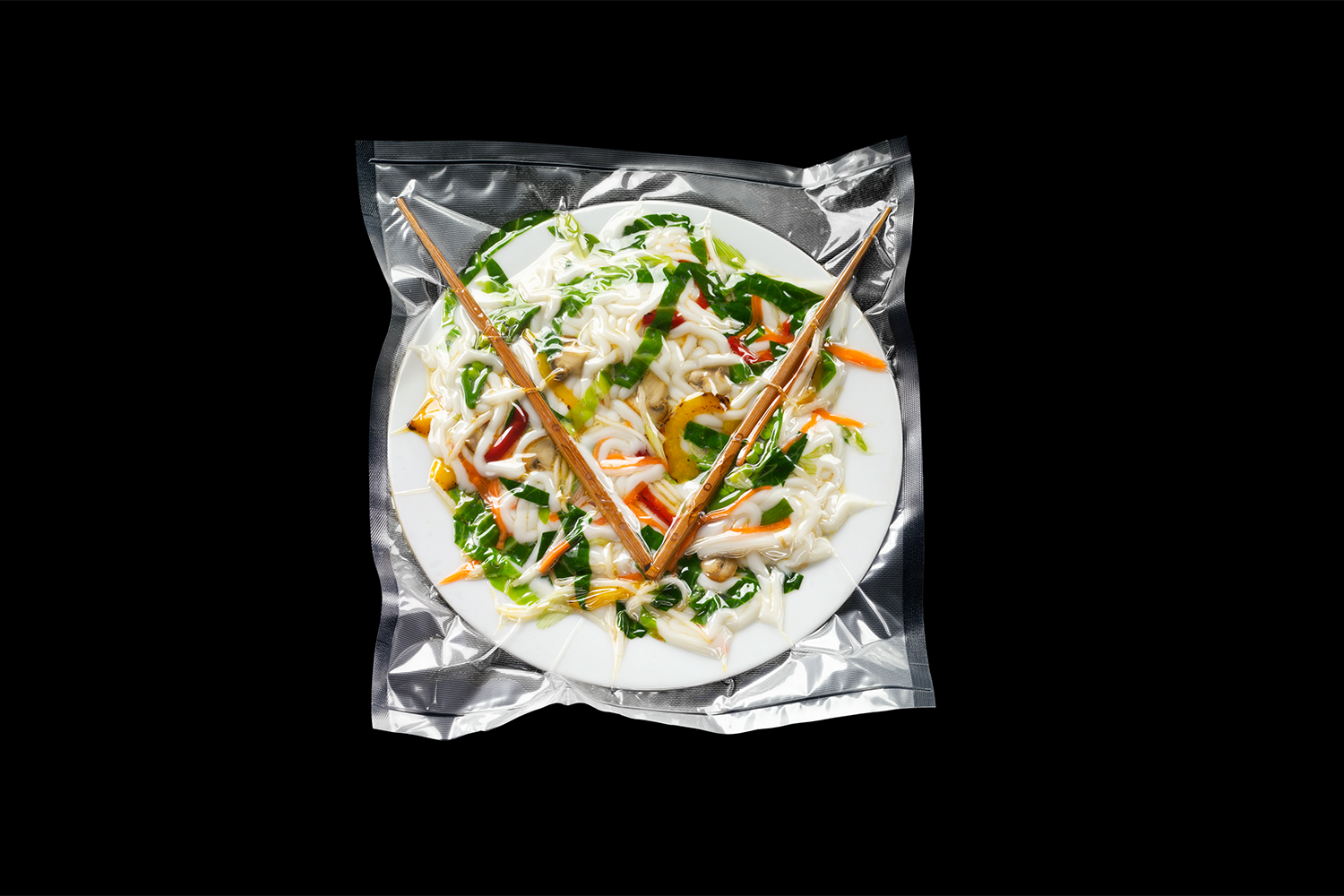
Not hugely dissimilar in presentation to the novelty freeze-dried ‘astronaut food’ of your childhood, dehydrated meals will join your refuelling roster, along with the usual shakes and bars. The OG of powdered meals, Huel, has a just-add-water range that includes Thai green curry and mac and ‘cheeze’, while Protein Works’ SuperMeals include an optimised tikka masala. All claim to be macro-balanced with 20g-plus of protein and 26 vital vits and minerals. Expect more brands to branch out from vanilla and chocolate. 

Centre of Excellence: Great burgers will increasingly feature a plant-based middle. 

2. Meat-Free Will Equal Flavourful

No longer fated to choose between dry bean burgers and strange soy concoctions, vegans will be treated to a veritable charcuterie board of options. Symplicity Foods’ natural, fermented, zero- waste ‘meats’, created by former barbecue chef Neil Rankin, can be found everywhere from Dishoom and Bone Daddies to Soho House, while Tindle (the first plant-based chicken “created with and by chefs”) is expanding into pubs and restaurants, having already popped up at London’s Sketch, among other spots. Consider the bar officially raised.
3. You’ll Hack Your Stress Levels

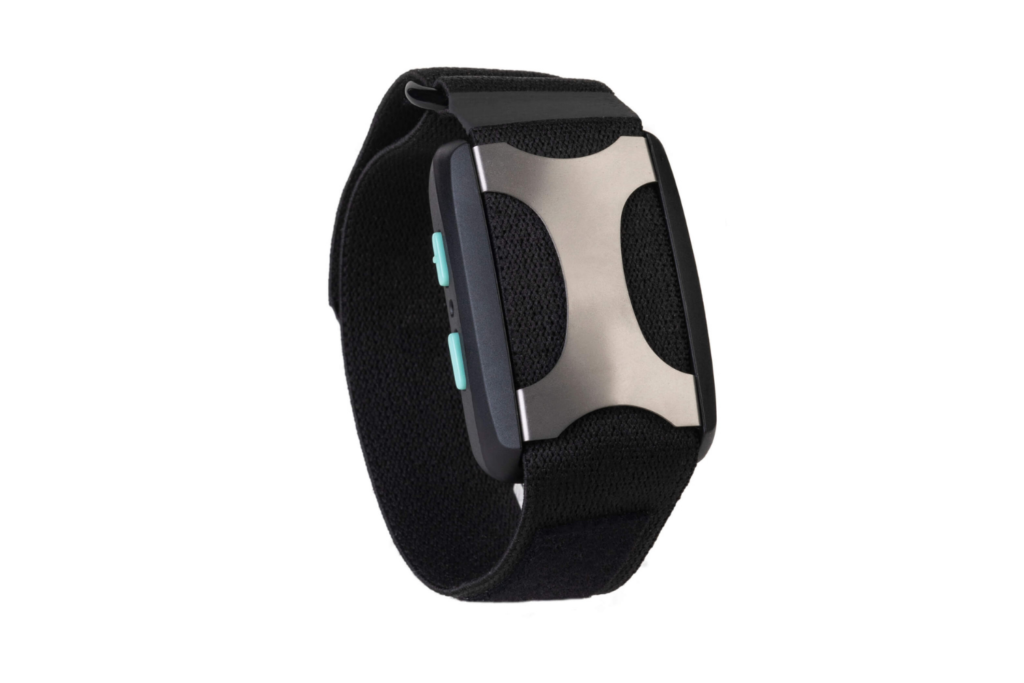
Meditation apps? Those were just the start. Expect to see an influx of new tech targeted at the mental ills of modern life. The wrist-worn Apollo Neuro is designed to improve resilience to stress by delivering gentle vibration waves based on breathing patterns, which disrupt the nervous system. Or there’s NuCalm (recoverylab.com.au), which uses “neuroacoustic software” (tones at specific frequencies) to promote relaxation, supposedly providing the benefits of two hours’ sleep within 30 minutes. Just don’t take it as an excuse to squeeze in an extra hour on Twitter.

Open To All: No one will – or should – feel out of place on their fitness quest. 

4. You Won’t Need To Be Elite To Compete

Muscled 25-year-olds will be the minority at fitness comps. Almost three-quarters of racers at global sensation Hyrox are over 30, with an impressive 8 per cent in the 50-plus band. Intimidated by the full event? There’s now an easier four-person relay option, as

Read More

The Top 5 Healthcare Trends In 2023

The Top 5 Healthcare Trends In 2023

The world is a very different place than it was ten years ago, and nowhere is this more evident than in healthcare. The aftermath of the covid-19 pandemic, combined with the financial downturn and an acceleration in the adoption of technology and digitization, have dramatically changed the landscape for everyone, patient or practitioner.

Here’s my overview of what I believe will be the most important trends of the next 12 months:

Artificial Intelligence in Healthcare

The market for Artificial intelligence (AI) – specifically, machine learning (ML) tools in healthcare is forecast to top $20 million in 2023. Various AI-aligned technologies, such as computer vision, natural language processing, and pattern recognition algorithms, are already deeply embedded in the healthcare ecosystem and will continue to be adopted as evidence of their usefulness grows throughout 2023. Some examples of areas where AI is used include drug discovery, where it can assist with predicting outcomes of clinical trials and potential side effects of new drugs, as well as analysis of medical imagery, which involves using computer vision algorithms to spot early warning signs of disease in x-rays or MRI scans. It has also successfully been used to detect and treat neurological disorders, including Parkinson’s Disease and Alzheimer’s Disease.

Outside of frontline clinical work, AI also has applications in clerical work, such as processing insurance claims and management or analysis of medical record keeping. It can also be used to analyze data collected from patient wearables or in-home sensors used in virtual hospital settings (more on that in my next trend) to provide early warning or predictive diagnosis of various conditions. Put together, all of these use cases indicate that AI and ML will continue to be a prominent trend in healthcare throughout the coming year.

Remote Healthcare – Virtual Hospitals, Healthcare Communities, and Telehealth

Healthcare delivered remotely increased significantly during the pandemic. Even now that it’s generally safe to resume face-to-face routine appointments, many patients and providers have realized that for many conditions, care can be provided more efficiently and cost-effectively at a distance.

Remote healthcare falls into a number of different categories. There is an increase in home-based care driven by evidence that shows that a familiar environment and proximity to a family can have a positive effect on patient outcomes, as well as being hugely cost-efficient compared to inpatient care. Then there is

Read More

Healthcare and healthcare product trends

Healthcare and healthcare product trends

The digital care house contains a loaded ecosystem of gamers throughout the telehealth and remote affected person monitoring segments. Telehealth is the capability to execute healthcare visits, checkups, and drug prescription acquisitions about dwell chat, movie, or telephone. Distant client checking systems empower health care programs to observe patients’ essential indications and biomarkers in their personal households.

Mentioned under are the crucial health care and professional medical unit traits impacting the digital care and telemedicine topic, as recognized by GlobalData.

Significant Tech moves into healthcare

Large know-how competitors, such as Amazon, Google, and Microsoft, have been establishing partnerships and engineering options in the health care house for yrs. Above the final pair of a long time these attempts have intensified, and the Covid-19 pandemic has pushed an amplified adoption fee of technological innovation in the healthcare room general.

These players have a potent grasp on cloud, synthetic intelligence (AI), and retail technological innovation, which will make them evident disruptors in the healthcare sector. Every little thing from ambient clinical intelligence to AI-based mostly diagnostic applications, and virtual treatment platforms have been released by large tech a short while ago.

Individual wellness details

Own health information may perhaps refer to electronic wellbeing documents (EHR), electronic clinical records (EMR), and any other overall health information transmitted by means of telehealth, wearables/sensors, or applications. It contains affected person-claimed and objective data about a patient’s medical history, diagnostic assessments, vitals, treatments, remedies, and far more. The digitalisation of wellbeing information has permitted for less difficult accessibility and sharing among patients, family members physicians, crisis departments, and experts.

Adoption of digital overall health data is expanding globally, and this craze is anticipated to keep on. When this digitised information encourages the sharing of facts involving health care vendors and empowers a affected individual to travel their have healthcare interactions, concerns keep on being over data privacy and knowledge usage restrictions.

Written content from our companions
Overcoming the challenges of bifilar and multifilar wire-constructions for medical devices
“Everything is custom”: Behind the scenes of medical wire solutions
The added value of Qarad’s multilingual freephone service to their eIFU solution

Remote individual checking (RPM)

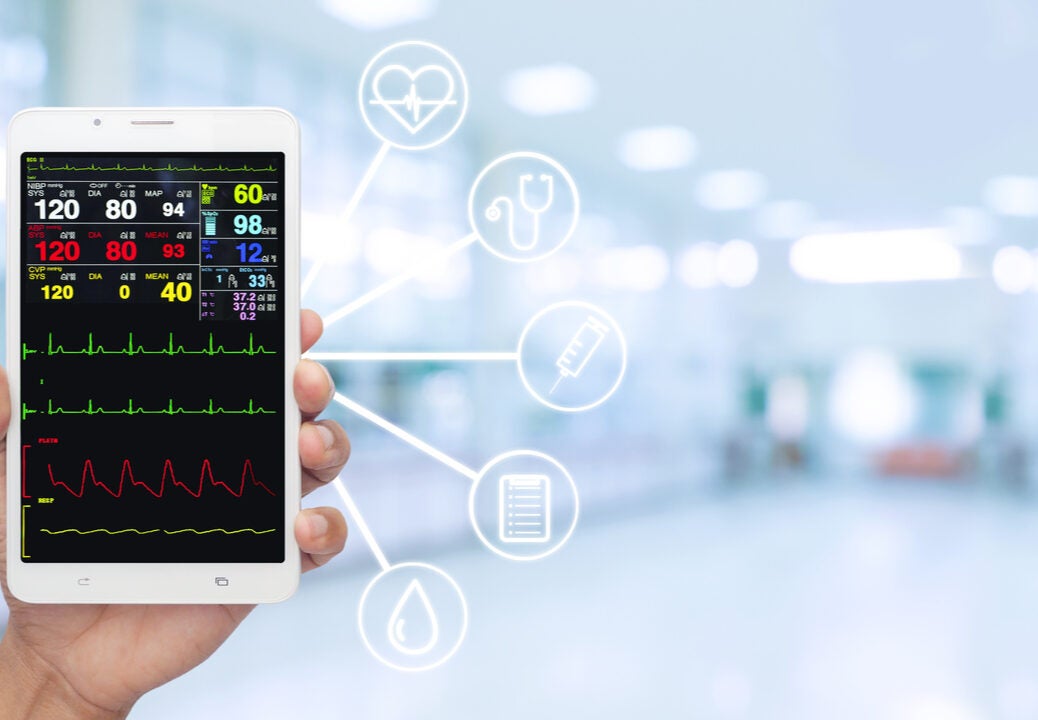
RPM systems were currently actively playing a vital part in healthcare supply prior to the Covid-19 pandemic. Having said that, the pandemic has pushed medical professionals to limit in-person appointments unless necessary, to minimise transmission risk for patients. Individuals tailored by using telehealth platforms and apps to keep on receiving treatment from their households. This expertise of decentralised healthcare may perhaps have improved patients’ views on the use of RPM units soon after the pandemic.

Mobile

Read More