The 14 Best Fitness Trackers, Watches and Bands In 2021

The 14 Best Fitness Trackers, Watches and Bands In 2021

Staying in shape is hard work (and honestly, that can feel like a humble brag to anyone trying to get into shape in the first place). It’s especially hard to do on your own, without any help, coaching or encouragement. That’s why a lot of people turn to tech to keep themselves active and engaged in their personal health and fitness journey. A fitness tracker—whether it’s a fitness band or a smartwatch—can remind you to exercise, monitor your activity level during and after each workout and track your progress over time. The best fitness trackers are the next best thing to having your own personal trainer.

Choosing the right tracker can be daunting. Fitbit, the company that singled-handedly popularized the concept of fitness tracking, sells no fewer than seven different models on its own. And then there are fitness trackers from Samsung, Garmin, Amazfit and a dozen other companies. It pays to shop carefully, because not all trackers are designed for the kinds of exercise you want to do, and some have extra features, like smartphone notifications, heart rate monitoring, stress tracking and blood-oxygen level sensors.

No matter which fitness tracker you choose, there’s a good chance it’ll cover all the basics pretty well, but you might want extras like water resistance (great if you’re a swimmer), the ability to track stairs and built-in GPS so you don’t need to bring your phone along on a long run. We’ve rounded up 14 of the best fitness trackers you can buy today; no matter where you are on your fitness journey, there’s a model here for you.

Best Fitness Tracker Overall

Fitbit Inspire 2

The Fitbit Inspire 2 captures the flag as the best overall fitness tracker because it represents, in many ways, the template from which all other trackers are created. The Inspire 2 represents the culmination of everything Fitbit has learned about making wearables over the years, and includes pretty much everything the average person needs in a fitness tracker. It counts steps, distance and has sleep tracking features. It automatically recognizes when you’re doing a variety of common workouts and starts tracking—over 20 kinds of workouts in all. It’s waterproof to about 150 feet and you can wear it into a pool to track swim workouts.

The Inspire 2 replaces the older Inspire HR
Read More

How the US Army’s holistic health and fitness program will prevent injuries

How the US Army’s holistic health and fitness program will prevent injuries

It appears the era of “a couple of Motrin should do the trick” could be nearing its end in the Army. 

“My sergeants major right now, they hurt. Their bodies hurt,” Col. Phillip Kiniery, the commander of the 2nd Brigade Combat Team, 82nd Airborne Division, told Task & Purpose last week. “I need to make sure that the next group of leaders and senior leaders in the Army don’t feel like I feel physically. That they’re healthy … I wish we thought this way when we were going up.” 

The 4,500-soldier brigade is part of an effort to address injuries early and give soldiers more access to physical and occupational therapy through the Army’s holistic health and fitness program, which was announced in 2017 and officially put into Army policy last year. It focuses on total wellness, not just physical fitness, and urges mental and spiritual wellbeing, getting enough rest, eating well, and, more simply, just taking care of yourself. 

Referred to internally as H2F, the holistic health and fitness program encourages soldiers to take better care of their minds and bodies, not simply push through the pain after an injury, and emphasizes learning how to physically train properly. And at least one brigade commander is hoping that with that kind of change, the next generation of Army leaders won’t have the same kinds of aches and pains as, you know, all of you do. But to do that will require a certain level of humility from leaders. 

This is the Army’s plan to stop physically breaking so many of its soldiers
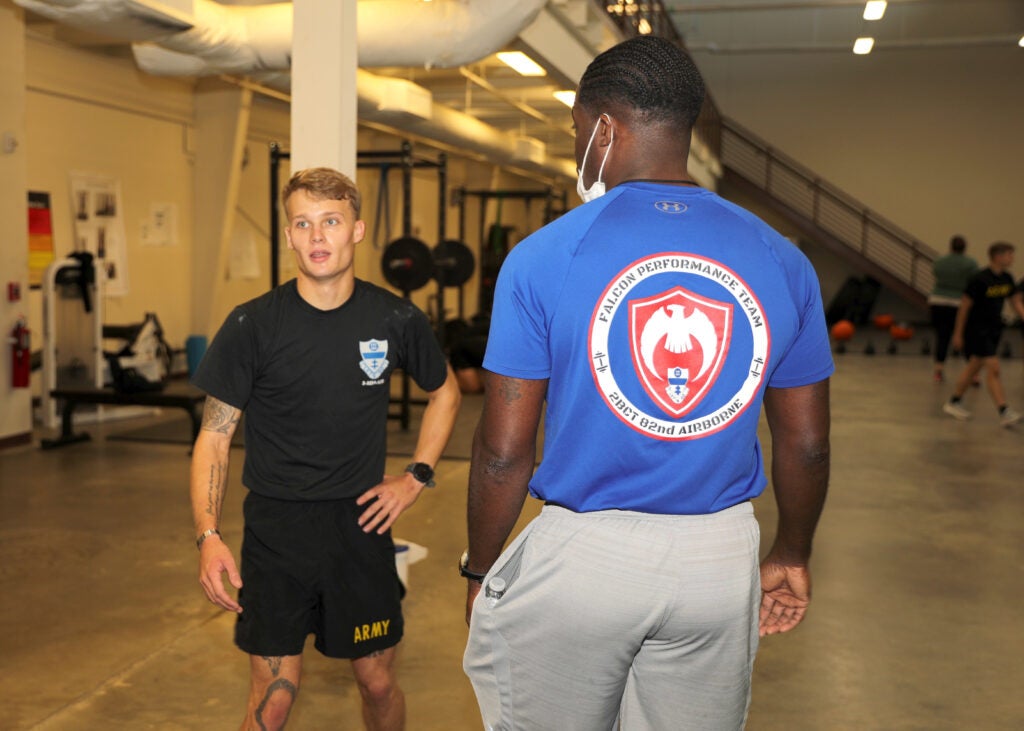
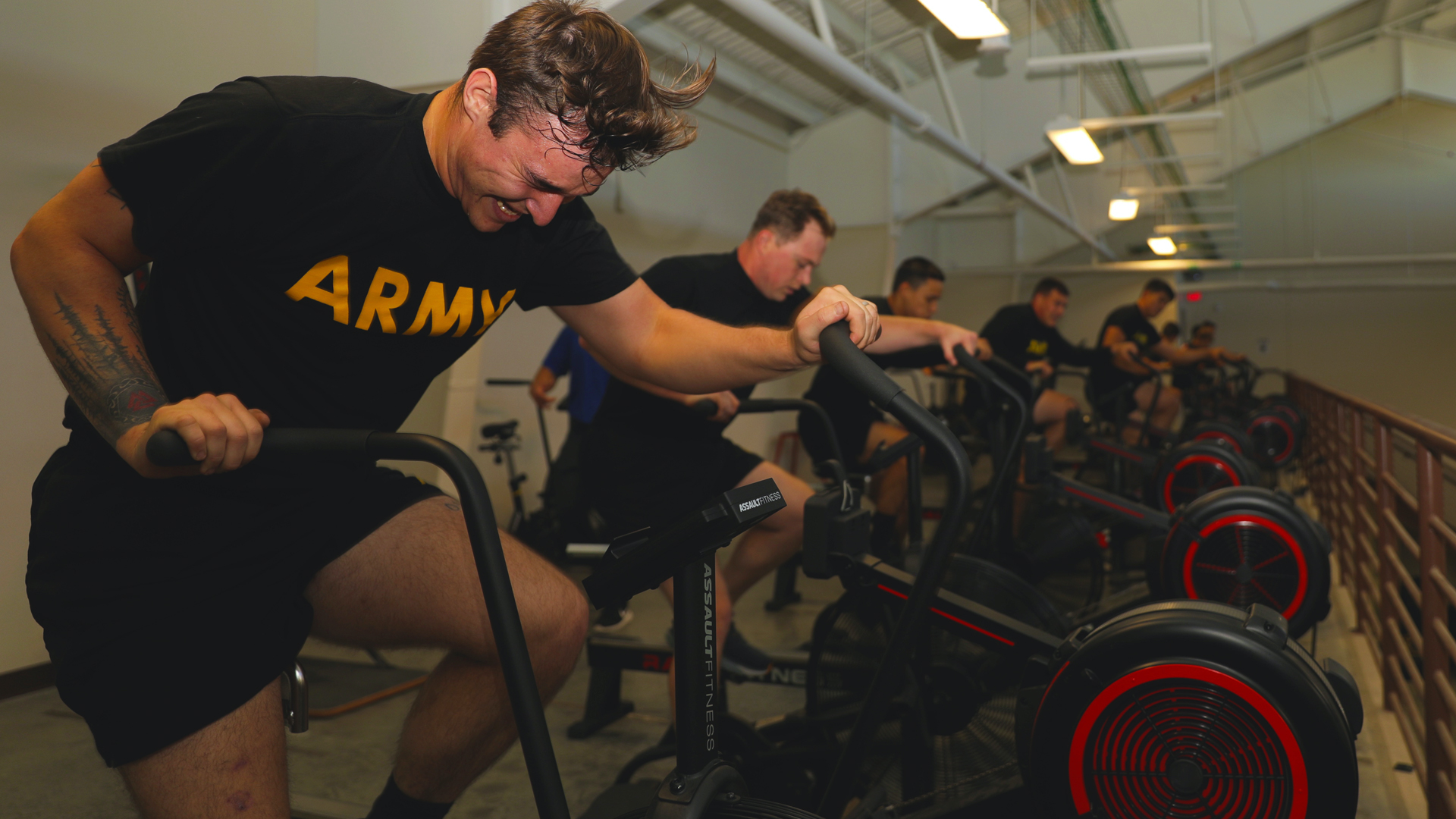
Paratroopers assigned to 2nd Brigade Combat Team, 82nd Airborne Division, utilize the physical training strength and conditioning coaches at the Falcon Holistic Health and Fitness Center (H2F) on October, 18, 2021 at Fort Bragg, North Carolina. (U.S. Army/Staff Sgt. Andrew Mallett)

“That’s what I’m fighting every day: ‘We’re the 2nd Brigade, 82nd, we’re going to jump into combat anywhere in the world, we’re the 82nd Airborne Division,’” Kiniery said. “Like hey sergeant, I got it. You can kill anything, you can jump out of every aircraft, but just stop and listen to this strength coach because you’re doing it wrong.” 

While the program could bring positive changes to soldiers everywhere, it will likely be years before it’s implemented Army-wide. There are currently 28 Army brigades — located at Fort Bragg, Fort Drum, Fort Polk, Fort Bliss, and Joint Base Lewis McChord — who have started implementing the holistic health and fitness program.

Read More

City Planning Commission Approves Two Amendments Promoting Health and Fitness

City Planning Commission Approves Two Amendments Promoting Health and Fitness

Image of current districts under the FRESH program. One of the Mayor’s proposed zoning amendments will expand the FRESH program in outer boroughs. Image Credit: NYC DCP

Commissioners raised concerns about the removal of special permits as a way to vet out illegitimate massage parlors. On October 20, 2021, the City Planning Commission voted to approve two applications proposed by the City to support small businesses and promote healthy food options and fitness. The two applications, the FRESH Program Expansion and the Health and Fitness Text Amendment, were part of a series of zoning proposals proposed earlier this year. 

FRESH Expansion

The Food Retail Expansion to Support Health (FRESH) program offers zoning and tax incentives to encourage the development of accessible stores for fresh meats and produce, perishable goods and other grocery products. FRESH zoning incentives include an additional square foot of residential floor area for a mixed building for every square foot provided for a FRESH food store and a possible increase in maximum building height by 15 feet authorized by the City Planning Commission to accommodate the extra floor area. FRESH food stores can be built as-of-right in FRESH eligible districts instead of seeking out a special permit. 

Currently, the FRESH program operates in specific districts, including portions of Manhattan Community Districts 9 through 12, portions of Bronx Community Districts 1 through 7, portions of Brooklyn Community Districts 3, 4, 5, 8, 9, 16 and 17, portions of Queens Community districts 1 and 12 and the Special Downtown Jamaica District. The proposed zoning change expands the FRESH program in Bronx Community Districts 8 and 9; Brooklyn Community Districts 1, 2, 12 and 13; Queens Community Districts 1, 3, 4 and 14 and Staten Island Community District 1.

The commissioners unanimously voted in favor of the amendment, and did not issue any comment on it. 

Health and Fitness Text Amendment

The Health and Fitness text amendment would allow gyms, martial arts studios, spas, massage therapy businesses and other health related businesses to open as-of-right where zoning permits. Currently, these health related businesses must first seek special permission from the Board of Standards and Appeals (BSA), which can add months in the timeline and thousands of dollars of upfront costs to open these kinds of businesses. During this time of economic recovery, the City wanted to remove the significant barriers that prevent these small businesses that provide health benefits from

Read More

Pre-Workout Dry Scooping Trend Is Awful for Your Health and Fitness

Pre-Workout Dry Scooping Trend Is Awful for Your Health and Fitness

Being into fitness is a good thing, but it’s easy to cross the line into viral fitness trends that hurt your health rather than help it. Enter: dry scooping, one of the latest fitness trends making the rounds on TikTok. Essentially, dry scooping involves eating a scoop of pre-workout powder or protein powder to boost energy before hitting the gym. Instead of diluting these powders and drinking the contents, fitness fanatics jumping on the trend are dumping the powder directly into their mouths and swallowing the powder dry (no water or milk included). But pre-workout dry scooping can have serious detrimental effects on your health. In one of the worst case scenarios, it can even land you in the hospital.

Does Dry Scooping Pre-Workout Have Any Benefits?

The reason why gym buffs dry scoop is to absorb pre-workout energy powder faster. And to this effect, dry scooping does work. Eating the powder dry does get it into your system quicker, allowing the user to feel the effects more rapidly, says Benedict Ifedi, MD, a family and sports medicine physician with Memorial Hermann Medical Group in Texas. However, fast absorption isn’t necessarily a good thing. Not only can rapid absorption of the ingredients found in pre-workout powder be dangerous (more on that in a minute), but these supplements don’t actually have the benefits proponents claim they do. 

When it comes to pre-workout energy powder, which often contains caffeine, there is some proven boost to anaerobic energy. This means it gives you more energy for short, high-intensity bursts of training. But when it comes to increasing your upper and lower body power, you won’t see much benefit.

Further, pre-workout powders are lacking long-term research — not only for efficacy, but also for safety. They’re unregulated and can even contain banned substances, such as anabolic steroids and harmful stimulants or hormones (1,3-dimethylamylamine, or DMAA, which can lead to heart attacks, is one of the most widely publicized).

As for protein powder, research has found that protein intake has a similar effect both before and after workout. So there’s no need to hastily dry scoop before you work out. A post-workout protein shake will work just as well. 

Why Is Dry Scooping Pre-Workout Bad For You?

There are two main dangers of dry scooping. First, consuming dry powder itself can lead to choking or inhalation, which can cause

Read More

A 6.6 Billion Units Global Opportunity for Mobile Health and Fitness Sensors by 2026 – New Research from StrategyR | National News

A 6.6 Billion Units Global Opportunity for Mobile Health and Fitness Sensors by 2026 – New Research from StrategyR | National News

SAN FRANCISCO, Oct. 21, 2021 /PRNewswire/ — A new market study published by Global Industry Analysts Inc., (GIA) the premier market research company, today released its report titled “Mobile Health and Fitness Sensors – Global Market Trajectory & Analytics”. The report presents fresh perspectives on opportunities and challenges in a significantly transformed post COVID-19 marketplace.

FACTS AT A GLANCE

Edition: 9; Released: April 2021

Executive Pool: 6609

Companies: 18 – Players covered include Fujitsu Ltd.; Abbott Laboratories; Honeywell International, Inc.; Texas Instruments, Inc.; Medtronic, Inc.; GE Healthcare; Qualcomm, Inc.; Omron Corporation; Analog Devices, Inc.; Bayer Healthcare AG; Adidas AG; Casio Computer Co., Ltd.; Jawbone; F. Hoffmann-La Roche AG; AgaMatrix, Inc.; Asahi Kasei Microdevices Corporation; LifeScan, Inc.; Acute Technology, Inc.; Philips Healthcare USA; RF Technologies, Inc.; ChoiceMMed Technology India Pvt. Ltd. and Others.

Coverage: All major geographies and key segments

Segments: Segment (Mobile Health and Fitness Sensor)

Geographies: World; United States; Canada; Japan; China; Europe (France; Germany; Italy; United Kingdom; and Rest of Europe); Asia-Pacific; Rest of World.

Complimentary Project Preview – This is an ongoing global program. Preview our research program before you make a purchase decision. We are offering a complimentary access to qualified executives driving strategy, business development, sales & marketing, and product management roles at featured companies. Previews provide deep insider access to business trends; competitive brands; domain expert profiles; and market data templates and much more. You may also build your own bespoke report using our MarketGlass Platform which offers thousands of data bytes without an obligation to purchase our report. Preview Registry

ABSTRACT-

Global Mobile Health and Fitness Sensors Market to Reach 6.6 Billion Units by 2026

Amid the COVID-19 crisis, the global market for Mobile Health and Fitness Sensors estimated at 953.4 Million Units in the year 2020, is projected to reach a revised size of 6.6 Billion Units by 2026, growing at a CAGR of 37.8% over the analysis period.

The U.S. Market is Estimated at 415.2 Million Units in 2021, While China is Forecast to Reach 1.1 Billion Units by 2026

The Mobile Health and Fitness Sensors market in the U.S. is estimated at 415.2 Million Units in the year 2021. China, the world`s second largest economy, is forecast to reach a projected market size of 1.1 Billion Units by the year 2026 trailing a CAGR

Read More

‘Big & Bold’ demonstrates that while fitness is for all, it’s not one-size-fits-all

‘Big & Bold’ demonstrates that while fitness is for all, it’s not one-size-fits-all

On Nutrition

Let’s face it: Most people exercise with the hope it will help them lose weight, prevent weight gain or otherwise control the size and shape of their body. Sure, being healthy and feeling fit may also be goals, but the main motivator is often weight.

I once had a client tell me she took an intense fitness boot camp class for six weeks and didn’t lose any weight, so she didn’t see any point in exercising. Another client told me that once she learned that science says exercise does little for weight loss (which is true), she decided there was no reason to try to fit walking into her busy schedule.

That’s unfortunate, because there are so many reasons to move our bodies that have nothing to do with weight loss. For example, a study published last month concluded that physical activity promotes health more effectively than weight loss — with the added benefit of reducing the health risks associated with yo-yo dieting.

The persistent coupling of exercise to the idea of weight loss has also created a narrow view of what exercising bodies look like. If you’re not in a thin body, but you only see thin bodies in fitness books and magazines, in ads for gyms and yoga studios, and embodied in personal trainers and class instructors, what does this suggest? It suggests that exercise will make you thin, too — which can kill motivation when it doesn’t — or that your body has no business being in the gym or yoga studio.

One woman working to offer a more inclusive view of fitness is certified personal trainer Morit Summers, co-owner of Form Fitness, a gym in Brooklyn, New York, and author of the new book, “Big & Bold: Strength Training for the Plus-Size Woman.” The book is both serious and supportive, with clear, detailed instructions on how to perform movements safely and effectively, plus advice for how to lift in a way that fits your life and helps you reach your strength goals. While the book provides beginner-through-advanced starter workouts, Summers encourages listening to your body and modifying movements as needed. For such a meticulous and thoughtful book, its origins were … unplanned.

“I was asked if I wanted to write the book by the publishing company [Human Kinetics]. I was like, ‘Whoa, what?’ Because that was never something on my bucket

Read More